
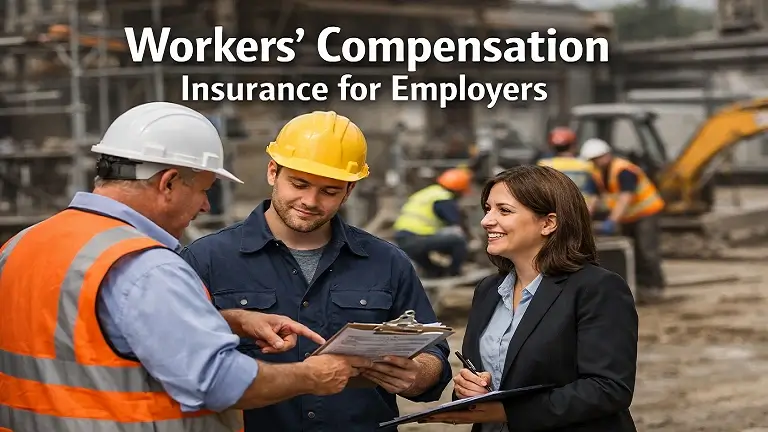
Workers’ Compensation Insurance for Employers
Operating a business involves daily decisions. Employee safety stays top of the list. Injuries due to slips and falls can happen in any workplace. A fall, strain or repeated motion can lead to time away from work. Workers’ compensation insurance helps employers to handle these situations without losing control of costs or operations.
This coverage supports employees during recovery. It also protects employers from major financial strain. Most states require it, but the value goes beyond compliance.
Understanding Workers’ Compensation Insurance
Workers’ comp insurance covers medical care for employees who suffer work related injuries or illnesses. It also helps replace part of their income while they recover.
The coverage applies to sudden accidents and long term strain. A warehouse injury looks different from an office injury, but both qualify. Carpal tunnel, back pain, slips, and equipment accidents all fall under workers’ compensation coverage when they relate to job duties.
Why Workers’ Compensation Coverage Matters
An injury affects more than one person. The employee faces stress and medical bills. The employer faces lost productivity and rising costs.
Workers’ compensation coverage helps to manage these challenges. It keeps medical expenses predictable. It also reduces the chance of legal disputes between employers and employees.
Without coverage, one claim can create financial pressure that lasts for years.
Workers’ Compensation for Employers
Most states require workers’ compensation for employers once a business hires employees. The rules differ by state, but the responsibility remains clear.
Some states require coverage for:
- Full-time employees
- Part-time workers
- Seasonal staff
- Family members on payroll
Meeting workers’ comp requirements helps businesses avoid penalties, audits and business interruption. Compliance also builds trust with employees.
What Does Workers Comp Insurance Cover?
A standard workers compensation policy includes several core benefits.
Medical care covers doctor visits, emergency treatment, hospital stays, and follow up care. Prescription medication falls under the policy as well.
Wage replacement helps employees pay bills while they cannot work. Disability benefits support workers with lasting injuries. Rehabilitation services help employees regain strength or learn new skills if needed.
These benefits support recovery and speed up the return to work.
Industries That Need Workers’ Compensation Insurance
Every industry carries risk. Construction faces great physical danger. Retail deals with slips and lifting injuries. Healthcare workers face exposure and strain. Office staff deal with repetitive motion and posture issues.
Because risk exists everywhere, workers’ compensation insurance applies across industries. No business stays completely injury free.
Choosing the Right Workers Compensation Policy
Not all policies fit every business. Payroll size affects cost. Job duties affect risk. Industry type affects rates.
A proper workers compensation policy balances protection with budget. It meets state rules without adding unnecessary coverage. Regular policy reviews help keep coverage accurate as a business grows.
Managing Workers Comp Requirements
Understanding workers comp requirements takes time. Rules change by state and industry. Reporting deadlines matter. Payroll classifications must stay accurate.
Missing details can raise costs or cause compliance issues. Employers benefit from guidance that keeps coverage aligned with regulations.
How Smart Apple Insurance Helps Employers
Smart Apple Insurance helps employers understand workers’ compensation insurance without confusion. We focus on clear explanations and practical guidance.
We help businesses review risk, choose proper coverage, and meet workers comp requirements. Our team supports policy updates for payroll or staffing changes. Employers receive help when questions arise, not just at renewal time.
Common Misunderstandings About Workers Comp Insurance
Some employers think small teams do not need coverage. Others assume office jobs carry no risk. Both ideas lead to gaps.
Injuries do not depend on company size. Even one employee can file a claim. Workers comp insurance protects businesses before problems grow.
Final Thoughts
Workers’ compensation insurance plays a key role in business stability. It protects employees during recovery. It helps employers control costs and avoid legal trouble.
Strong workers compensation coverage supports long-term operations and employee trust. The right workers compensation policy keeps businesses prepared for the unexpected.
Smart Apple Insurance helps employers secure workers compensation for employers with clarity and confidence.